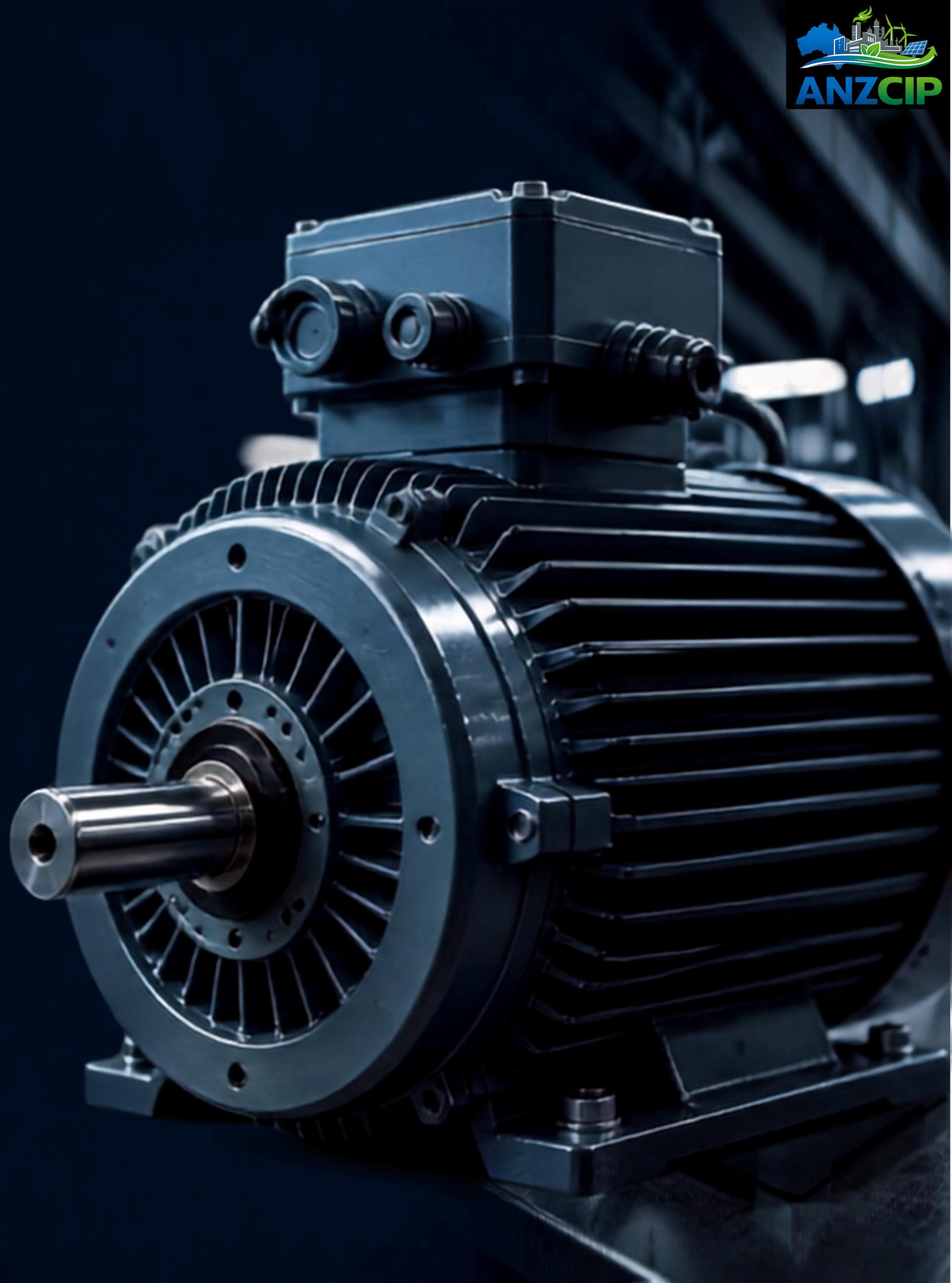
Re-engineering the Economics of Manufacturing
ANZCIP applies the Free Ice Cream (FrICE) economic model to develop a profitable, technology-enabled manufacturing system designed to progressively reduce the cost of industrial production. By integrating automation, energy-market arbitrage and supply-chain integration, ANZCIP targets three major manufacturing cost drivers:
How It Works: Automation, Energy Arbitrage & Supply Chain Integration
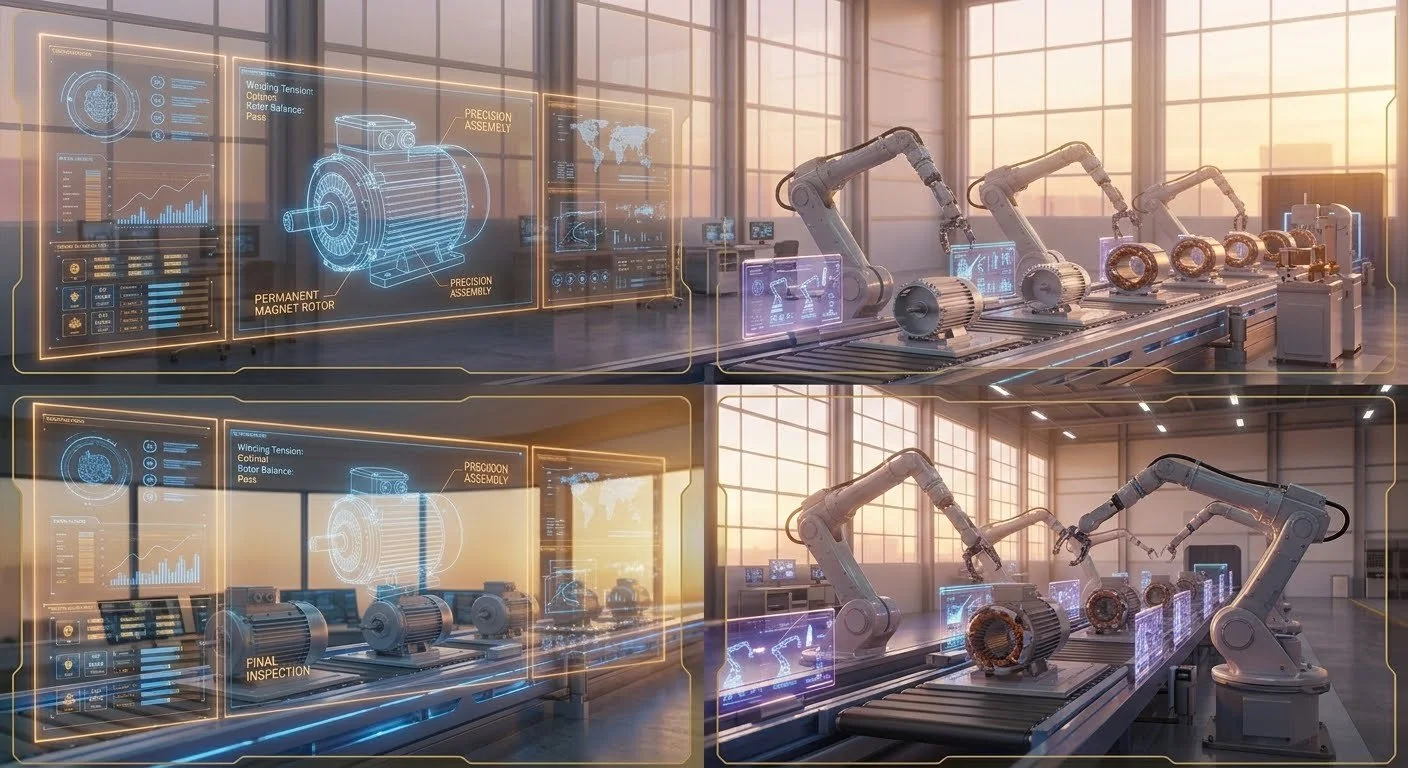
01. Automation — Reduce Labour Costs
Deploy highly automated manufacturing, robotics and intelligent production systems to reduce reliance on manual labour, improve productivity and reduce labour cost.
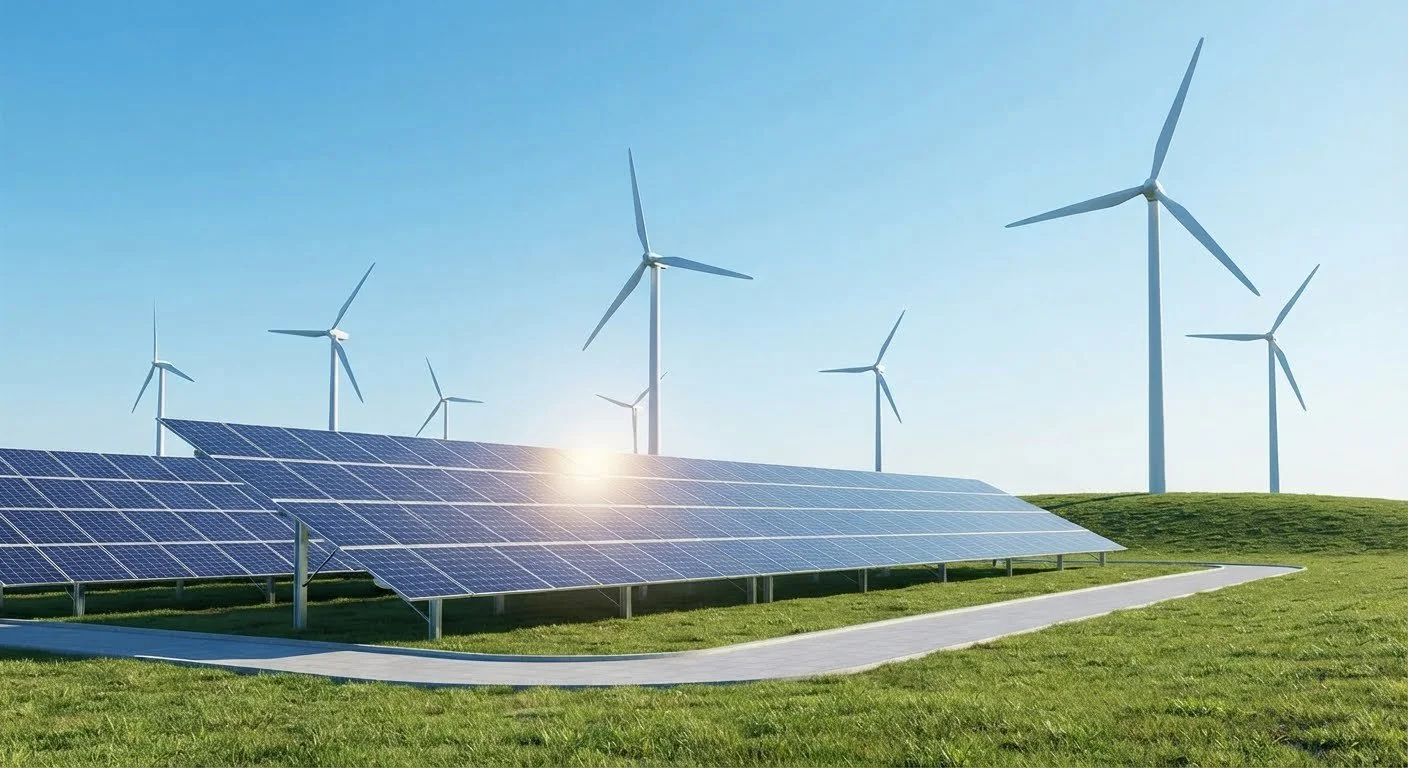
02. Energy Arbitrage — Reduce Energy Costs
Combine renewable energy, battery energy storage and intelligent energy management to optimise electricity consumption, capture energy-price arbitrage opportunities and reduce energy cost.
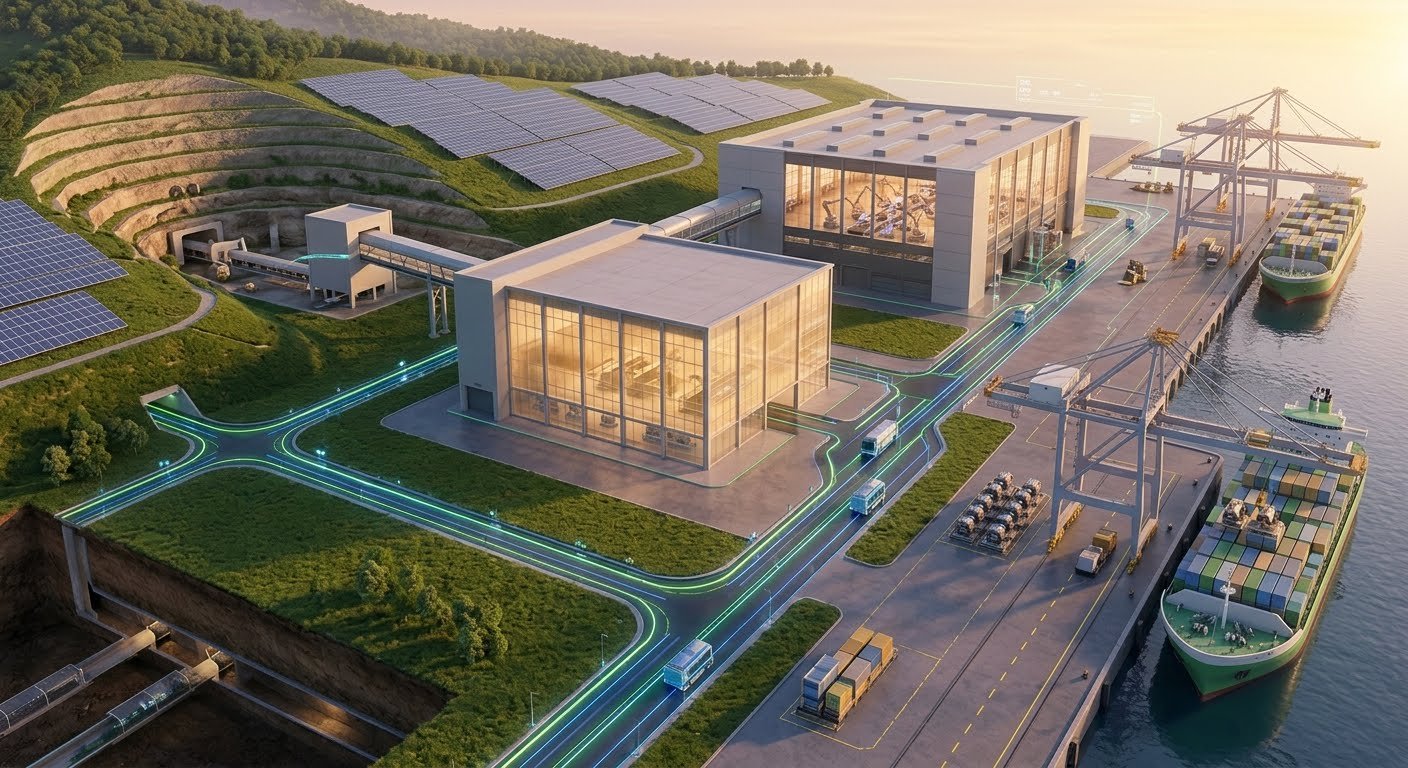
03. Supply Chain Integration — Reduce Material Costs
Apply automation and energy arbitrage principles to all upstream activities in raw material supply chain. Use reduced labour and energy costs to reduce raw-material costs.
The ANZCIP Advantage - Three levers, One integrated manufacturing model.
By coordinating these capabilities within a vertically integrated industrial system, ANZCIP aims to reduce production costs, strengthen operational efficiency and create a repeatable model for competitive, near-zero-cost electric motor manufacturing.
The Long-Term Vision: One integrated model. Multiple industrial capabilities. Progressively lower production costs.
ANZCIP aims to establish a repeatable industrial model in which automated manufacturing, optimised energy systems, upstream integration and material recovery work together to improve cost competitiveness and create a pathway towards near-zero-cost manufacturing of all material things.